
URGENT HELP

RELATE
  • LEARN MORE
    • About Us
      • Our Mission
      • Dr. Chua Sook Ning
      • Partners and Advisors
      • In the Press
    • What Is Mental Health And Wellness?
      • Mental Health and Exercise
      • Mental Health and Nutrition
      • Building Resilience
        • Physical Resilience
        • Mental Resilience
        • Emotional Resilience
        • Emotional Resilience: Helping Your Child Build Emotional Resilience
        • Social Resilience
      • Early Warning Signs
    • Mental Health Laws & Guidelines Overview
      • What are your mental health rights in Malaysia?
      • Persons With Disabilities Act 2008
    • Mental Health Conditions
      • Anxiety
        • Anxiety Disorders: Introduction
        • What Causes Anxiety?
        • Getting Help for Anxiety
      • Bipolar
        • Bipolar: Introduction
        • What Causes Bipolar Disorder?
        • Getting Help for Bipolar Disorders
      • Depression
        • Depression: Introduction
        • What Causes Depression?
        • Getting Help for Depression
      • Eating Disorders
        • Eating Disorders: Introduction
        • What Causes Eating Disorders?
        • Getting Help for Eating Disorders
      • Obsessive Compulsive Disorder (OCD)
        • Obsessive Compulsive Disorder: Introduction
        • What Causes OCD?
        • Getting Help for OCD
      • Schizophrenia
        • Schizophrenia: Introduction
        • Getting Help for Schizophrenia
        • What Causes Schizophrenia?
    • Treatments For Mental Health Problems
      • Psychotherapyy
        • What is Psychotherapy ?
        • When To Consider Psychotherapy
        • What Happens In A Therapy Session?
        • Questions To Ask Your Therapist
      • Medication
        • Anti-Anxiety
        • Anti-Psychotics
        • Anti-Depressants
        • Mood Stabilizers
        • Stimulants
    • Think tank – We are Malaysia’s first mental health think-tank. Read more about our research and advocacy.
      • Projects
      • White papers
      • Brief reports
    • Articles
      • Opinion
      • Current Issues
      • Therapists’ Corner
      • Your Voice
  • DO MORE
    • Events
    • Events Calendar
  • GET HELP
    • Mental Health Check
      • Depression Test
      • Anxiety Test
    • Why Get Help?
    • First Steps to Getting Help
    • Relate Therapy
      • Sign Up for Relate Therapy
      • Sign Up: Group Therapy For Depression
      • Meet our team
      • Relate Therapy Internship
    • Public Hospitals and Private Clinics
      • Submit Your Practice
    • Suicide Prevention
      • Warning Signs
      • Myths about Suicide
      • Getting Help for Suicidal Thoughts
    • Where to get urgent help?
  • RELATE PODCAST
  • CONTACT
  • Book Appointment
  • 0
    • LEARN MORE
      • About Us
        • Our Mission
        • Dr. Chua Sook Ning
        • Partners and Advisors
        • In the Press
      • What Is Mental Health And Wellness?
        • Mental Health and Exercise
        • Mental Health and Nutrition
        • Building Resilience
          • Physical Resilience
          • Mental Resilience
          • Emotional Resilience
          • Emotional Resilience: Helping Your Child Build Emotional Resilience
          • Social Resilience
        • Early Warning Signs
      • Mental Health Laws & Guidelines Overview
        • What are your mental health rights in Malaysia?
        • Persons With Disabilities Act 2008
      • Mental Health Conditions
        • Anxiety
          • Anxiety Disorders: Introduction
          • What Causes Anxiety?
          • Getting Help for Anxiety
        • Bipolar
          • Bipolar: Introduction
          • What Causes Bipolar Disorder?
          • Getting Help for Bipolar Disorders
        • Depression
          • Depression: Introduction
          • What Causes Depression?
          • Getting Help for Depression
        • Eating Disorders
          • Eating Disorders: Introduction
          • What Causes Eating Disorders?
          • Getting Help for Eating Disorders
        • Obsessive Compulsive Disorder (OCD)
          • Obsessive Compulsive Disorder: Introduction
          • What Causes OCD?
          • Getting Help for OCD
        • Schizophrenia
          • Schizophrenia: Introduction
          • Getting Help for Schizophrenia
          • What Causes Schizophrenia?
      • Treatments For Mental Health Problems
        • Psychotherapyy
          • What is Psychotherapy ?
          • When To Consider Psychotherapy
          • What Happens In A Therapy Session?
          • Questions To Ask Your Therapist
        • Medication
          • Anti-Anxiety
          • Anti-Psychotics
          • Anti-Depressants
          • Mood Stabilizers
          • Stimulants
      • Think tank – We are Malaysia’s first mental health think-tank. Read more about our research and advocacy.
        • Projects
        • White papers
        • Brief reports
      • Articles
        • Opinion
        • Current Issues
        • Therapists’ Corner
        • Your Voice
    • DO MORE
      • Events
      • Events Calendar
    • GET HELP
      • Mental Health Check
        • Depression Test
        • Anxiety Test
      • Why Get Help?
      • First Steps to Getting Help
      • Relate Therapy
        • Sign Up for Relate Therapy
        • Sign Up: Group Therapy For Depression
        • Meet our team
        • Relate Therapy Internship
      • Public Hospitals and Private Clinics
        • Submit Your Practice
      • Suicide Prevention
        • Warning Signs
        • Myths about Suicide
        • Getting Help for Suicidal Thoughts
      • Where to get urgent help?
    • RELATE PODCAST
    • CONTACT
    • Book Appointment
    • 0

The boring reality of self-criticism (and the importance of appreciation)

April 15, 2026  |  By Sandy Clarke In GENERAL, OPINION

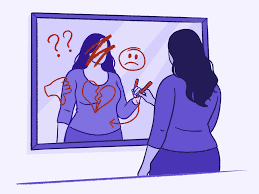
In a lecture titled Against Self-Criticism, the British psychoanalyst Adam Phillips suggests that, if our self-critical voice were a person who followed us around, we’d find them boring and wouldn’t want them around for long.

We’d soon find out that our self-critic was “impoverished and cliché”. In other words, it says the same things over and over, and rarely says anything useful – or even accurate.

To a degree, self-criticism is something to be pitied. Ironically, if we feel about ourselves that we have little value to offer, it’s actually the self-critical voice that lacks any value. We might feel that self-criticism “drives us to be better”, but research into self-compassion shows the opposite in that learning to be more understanding toward ourselves helps us perform well and “be better” (whatever that means…)

Interestingly, Phillips makes a point about how we tend to treat self-criticism on a collective level. Many of us are familiar with the paradoxical message we receive growing up: perform well, do your best, be the best you can…but remember to be humble and don’t show off!

In social communication, it’s a faux pas to express pride in ourselves or talk about our successes unless we temper it with suffering. Yes, I’ve published a new book…but it’s not my best writing. I got a promotion this month…but that’s going to mean more meetings and admin work for me. I’m going on my dream holiday soon…but what with the rising costs, I’d be better off staying at home. Oh, you like the painting I did? It’s nothing, really.

As Phillips suggests, what a difference it might make if we allowed more room for celebration of self and less glorifying the pseudo-virtue of beating ourselves with a big stick. Again, people might say self-criticism helps to avoid becoming selfish and more complacent, but once again, research points to the opposite likely being true. There’s a world of difference between recognising and celebrating our strengths and accomplishments and taking a “look at me – I’m better than everyone else!” kind of attitude. Self-compassion is less likely to breed egotistic views of the self precisely because it reduces defensiveness and the need to compare ourselves.

A good starting point is to get a clearer sense of how the self-critic actually sounds in your day-to-day life. Much of our mental life carries on without our needing to pay attention, but it’s helpful to get a feeling of just how often we criticise ourselves, particularly in comparison to others.

From there, the aim isn’t to replace the criticism with forced positivity, which usually feels shallow and inauthentic. Instead, try consciously inserting another voice that speaks in a more proportionate way. If a presentation didn’t go well, that voice might say, “OK, that didn’t go how I wanted, but I can see why it unfolded that way, and I can make some improvements next time.” Self-compassion doesn’t deny limitations or shortcomings – it acknowledges them, but without the need for piling on the self-blame.

When it comes to acknowledging strengths, accomplishments, or talents, a practice of self-appreciation can develop a sense of healthy pride without it spilling over into arrogance. For example, if someone compliments you, a simple “Thank you” without a qualifier (“…but it’s nothing, really”) is a good start. Or if you’re feeling happy about something you’ve done, give yourself some time to congratulate yourself on a job well-done.

Self-compassion can take a bit of getting used to, but it’s worth the effort to loosen the grip of an inner critical voice that likely didn’t come from you in the first place.

Accepting praise and healthy pride Reducing negative self-talk in daily life Self-compassion and emotional regulation Self-criticism and inner dialogue Social norms around humility and success

0 Comments

Leave your comment Cancel Reply

(will not be shared)

May 2026
M T W T F S S
 123
45678910
11121314151617
18192021222324
25262728293031
« Apr    

Recent Updates

  • The boring reality of self-criticism (and the importance of appreciation)
  • How to navigate the spiral of silence
  • Understanding self-harm and how to offer support

CONTACT

    inquiries@relate.com.my


BE IN THE KNOW

Sign up to our newsletter to be informed on the latest events and activities. We hate spam ourselves, and will only email you ONCE a month at most.

SEARCH

© 2017- Relate Mental Health Malaysia Berhad (Reg: 1251126-M) | All Rights Reserved.

Loading...

RELATE

  • LEARN MORE
    • About Us
      • Our Mission
      • Dr. Chua Sook Ning
      • Partners and Advisors
      • In the Press
      • Back
    • What Is Mental Health And Wellness?
      • Mental Health and Exercise
      • Mental Health and Nutrition
      • Building Resilience
        • Physical Resilience
        • Mental Resilience
        • Emotional Resilience
        • Emotional Resilience: Helping Your Child Build Emotional Resilience
        • Social Resilience
        • Back
      • Early Warning Signs
      • Back
    • Mental Health Laws & Guidelines Overview
      • What are your mental health rights in Malaysia?
      • Persons With Disabilities Act 2008
      • Back
    • Mental Health Conditions
      • Anxiety
        • Anxiety Disorders: Introduction
        • What Causes Anxiety?
        • Getting Help for Anxiety
        • Back
      • Bipolar
        • Bipolar: Introduction
        • What Causes Bipolar Disorder?
        • Getting Help for Bipolar Disorders
        • Back
      • Depression
        • Depression: Introduction
        • What Causes Depression?
        • Getting Help for Depression
        • Back
      • Eating Disorders
        • Eating Disorders: Introduction
        • What Causes Eating Disorders?
        • Getting Help for Eating Disorders
        • Back
      • Obsessive Compulsive Disorder (OCD)
        • Obsessive Compulsive Disorder: Introduction
        • What Causes OCD?
        • Getting Help for OCD
        • Back
      • Schizophrenia
        • Schizophrenia: Introduction
        • Getting Help for Schizophrenia
        • What Causes Schizophrenia?
        • Back
      • Back
    • Treatments For Mental Health Problems
      • Psychotherapyy
        • What is Psychotherapy ?
        • When To Consider Psychotherapy
        • What Happens In A Therapy Session?
        • Questions To Ask Your Therapist
        • Back
      • Medication
        • Anti-Anxiety
        • Anti-Psychotics
        • Anti-Depressants
        • Mood Stabilizers
        • Stimulants
        • Back
      • Back
    • Think tank
      • Projects
      • White papers
      • Brief reports
      • Back
    • Articles
      • Opinion
      • Current Issues
      • Therapists’ Corner
      • Your Voice
      • Back
    • Back
  • DO MORE
    • Events
    • Events Calendar
    • Back
  • GET HELP
    • Mental Health Check
      • Depression Test
      • Anxiety Test
      • Back
    • Why Get Help?
    • First Steps to Getting Help
    • Relate Therapy
      • Sign Up for Relate Therapy
      • Sign Up: Group Therapy For Depression
      • Meet our team
      • Relate Therapy Internship
      • Back
    • Public Hospitals and Private Clinics
      • Submit Your Practice
      • Back
    • Suicide Prevention
      • Warning Signs
      • Myths about Suicide
      • Getting Help for Suicidal Thoughts
      • Back
    • Where to get urgent help?
    • Back
  • RELATE PODCAST
  • CONTACT
  • Book Appointment
  • Cart