
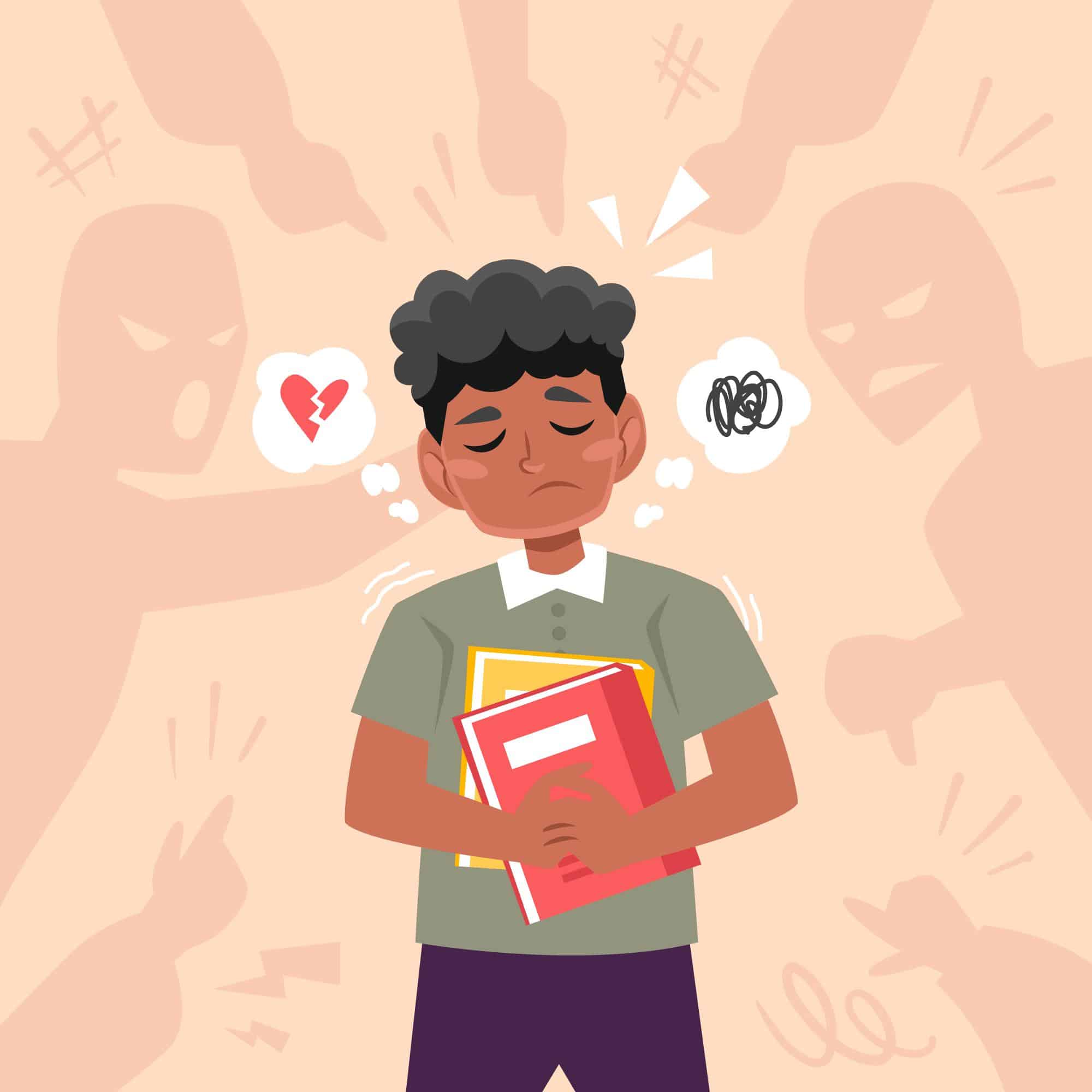
October marks National Bullying Prevention Month, reminding us that fostering safe and respectful environments in schools and universities requires more than slogans or posters. Bullying is a complex issue, and simplistic, reactive measures don’t produce lasting change.
Adolescents often live intensely in the present, with immediate peer approval outweighing longer-term consequences. This developmental blind spot means harmful behaviour can arise without forethought. While calls for kindness are important, they seldom change behaviour unless young people are helped to connect their impulses with the real impact of their actions on others.
Lessons From Scandinavia
Internationally, some of the most effective anti-bullying models have emerged from Scandinavia. In the early 1980s, Swedish-Norwegian psychologist Dan Olweus launched the Olweus Bullying Prevention Program, a whole-school approach that involved teachers, parents, administrators, and students alike. The programme set clear expectations, trained staff to recognise early warning signs, and worked deliberately to build a climate of inclusion and respect. Within two years of the initial program, bullying dropped by half.
Finland’s KiVa program followed, focusing not only on bullies and victims but on the role of bystanders. Since bullying often thrives on an audience, KiVa encouraged students to become “upstanders” who actively challenge or interrupt harmful behaviour. Using classroom lessons, online resources, and structured support for victims, the programme successfully reduced bullying across schools, with research showing that 98 percent of targeted children reported improvements.
Both programmes underline a key point: piecemeal efforts such as workshops, awareness weeks, or poster campaigns may be well-intentioned, but they rarely shift entrenched behaviour. Effective prevention requires a sustained, layered strategy that changes culture at every level.
Realistic steps for schools and universities
- Establish whole-community policies
Clear codes of conduct should be consistently enforced, with students, teachers, administrators, and parents fully aware of expectations. Universities, with their decentralised structures, can reinforce similar principles through orientation programmes, campus-wide campaigns, and transparent reporting systems. - Equip staff to identify early signs
Bullying often begins with subtle behaviours such as exclusion, teasing, or online remarks. Teachers and lecturers need training to recognise these warning signs and respond constructively rather than dismiss them as “normal.” - Empower bystanders
Silence and inaction sustain bullying. Structured initiatives that encourage students to intervene safely, support peers, or report concerns can transform bystanders into protectors. - Supervise high-risk spaces
Bullying is more likely to occur in unsupervised areas such as hallways, cafeterias, dormitories, or online forums. Active monitoring and clear boundaries reduce opportunities for harm. - Invest in social-emotional learning (SEL)
When students learn skills in empathy, self-regulation, and conflict resolution, bullying has less room to flourish. These abilities must be developed through interactive methods such as role-plays, reflective writing, and guided discussions, rather than surface-level reminders. - Clarify the boundary between banter and harm
Young people often struggle to distinguish playful teasing from hurtful behaviour. Schools and universities should provide clear guidance so that students, parents, and educators share a common understanding of where lines are drawn. - Address cyberbullying directly
Since online harassment doesn’t end with the school day, digital literacy education is essential. Students need to understand the permanence of digital actions and the emotional toll of online harassment. - Provide accessible mental health support
Victims, perpetrators, and even bystanders can experience lasting emotional effects of bullying. Counselling and peer support ensure no young person has to carry that burden alone.
Bullying isn’t an inevitable behaviour in young people. With consistent, evidence-based strategies, unhelpful behaviour patterns can be interrupted and replaced. Treating bullying solely as a disciplinary issue risks overlooking the deeper cultural and psychological dynamics at play. Viewing it instead as a public health concern helps highlight the need for long-term investment, structural support, and persistence.
The real work of prevention lies in proactive practice: embedding empathy into classrooms, listening carefully at home, moderating online spaces responsibly, and ensuring every report of harm is taken seriously. When schools, families, and communities work together, young people can learn and grow in environments where safety and respect are the norm for everyone.

0 Comments